

Almost two cashless transactions are made by every Kazakhstani each day
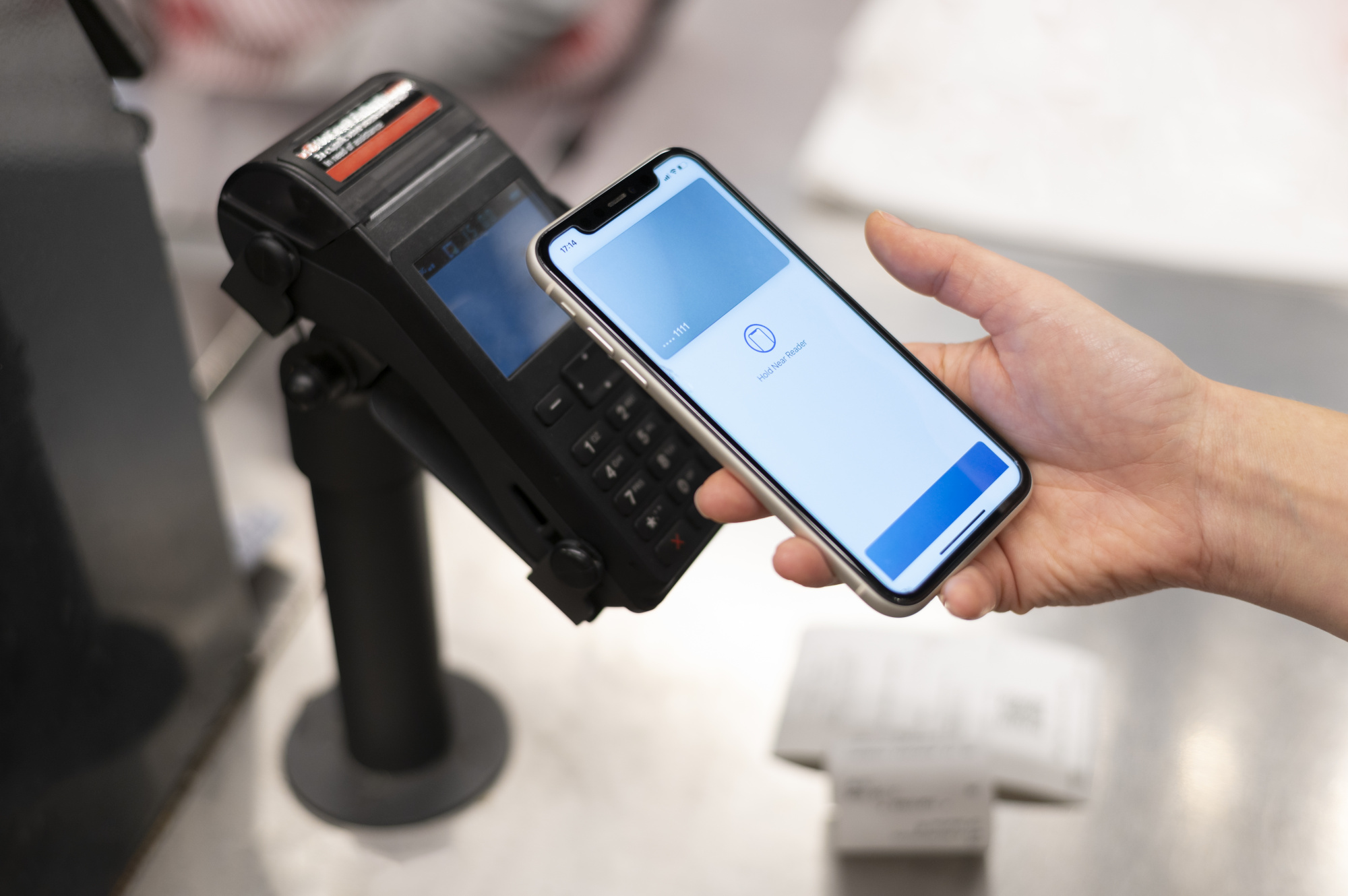
In the first half of 2026, the volume of cashless payments in Kazakhstan increased by 5.4% year-on-year, reaching KZT 91.2 trillion. At the same time, the volume of cash withdrawals through ATMs decreased by 2.8% to KZT 12.6 trillion, reports Kazinform, citing a review by the Analytical Center of the Association of Financiers of Kazakhstan.
The share of cashless transactions in the total volume of card transactions increased from 87% to 87.9%. At the same time, the growth rate of cashless turnover slowed down: a year earlier, the figure stood at 19.3%.
The number of cashless transactions during the reporting period increased by 6%, slightly outpacing the growth in their volume. As a result, the average transaction value decreased by 0.7% to KZT 13,100. Analysts note that the growth in cashless turnover is increasingly driven by the higher frequency of everyday payments rather than an increase in the average purchase amount.
Nearly 7 billion cashless transactions were carried out in the country during the first half of the year — an average of about 339 transactions per resident, or almost two transactions per day. The volume of cashless payments was more than seven times higher than the volume of cash withdrawals through ATMs.
Internet transactions remain the main channel for cashless payments, although their share decreased from 80.1% to 79%. Meanwhile, the share of QR payments increased from 10.2% to 10.9%, while POS payments rose from 9.6% to 10%.
At the same time, the number of payment cards in circulation decreased by 1.1% to 83.6 million. However, the number of cards issued by local payment systems increased by 0.9% to 28.3 million, raising their share to 33.9%.
An increase in the share of cashless transactions was recorded across all 20 regions of Kazakhstan. The most notable growth was observed in Ulytau Region, Zhetisu Region, and Akmola Region. At the same time, the gap between the regions with the highest and lowest shares of cashless payments remains significant, exceeding 18 percentage points.
The development of digital payment instruments is also influencing the customer experience in commercial real estate. For modern shopping centers, the convenience and variety of payment methods are becoming an important part of the service offering, making shopping, dining, and accessing services faster and more comfortable for visitors.