

Record Vacancy Rate in Kazakhstan’s Warehouse Market
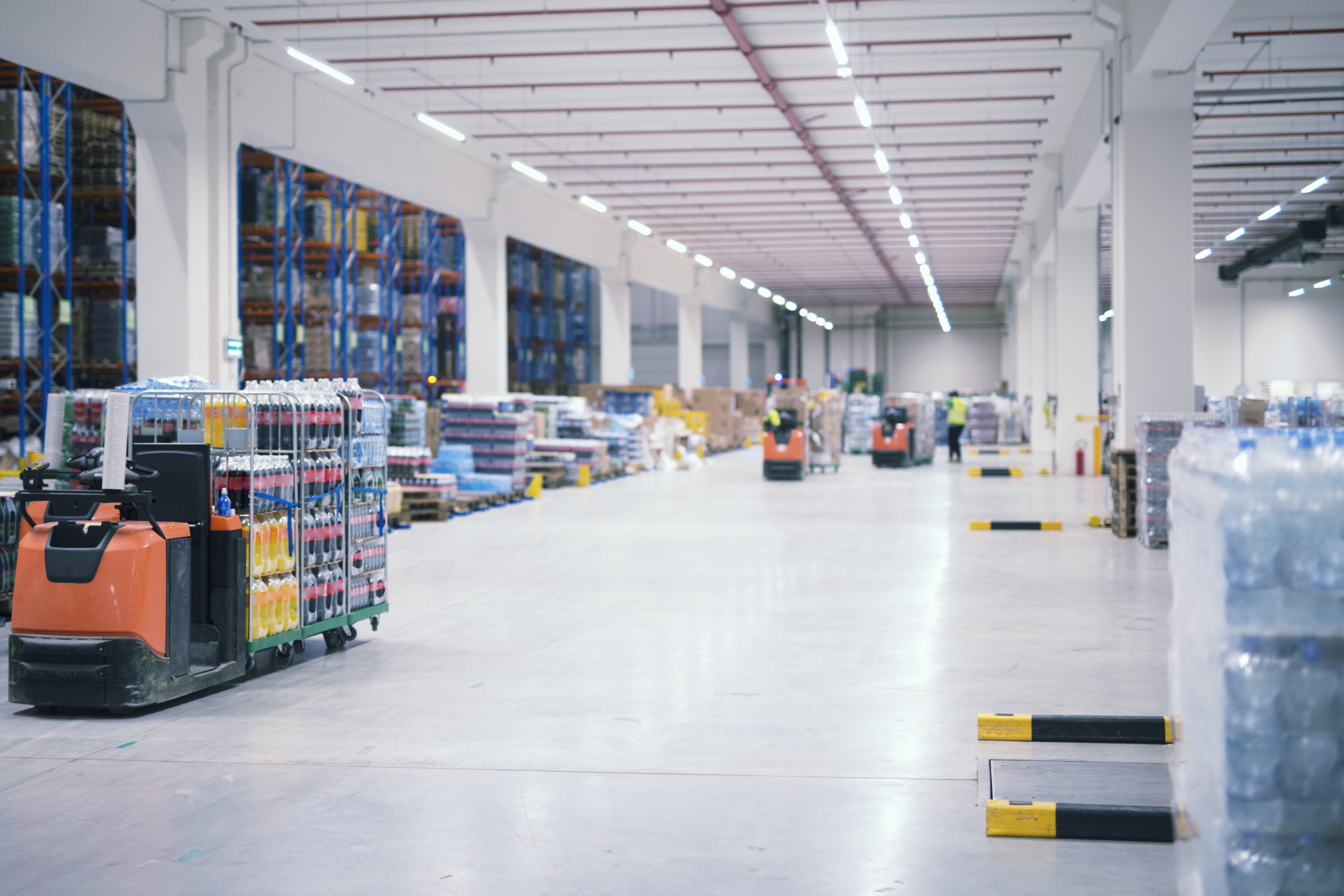
As of the end of the first half of 2026, the vacancy rate in Kazakhstan’s warehouse real estate market reached its highest level in the past five years — 11.1%, or 234,000 sq. m. The data was provided by consulting company IBC Real Estate.
This means that nearly every ninth square meter of quality warehouse space in the country is currently vacant. Over the year, the vacancy rate almost doubled, increasing by 5.8 percentage points.
New Construction Outpaced Demand
The sharp increase in vacancy is linked to the large-scale commissioning of warehouse facilities in previous years. According to IBC Real Estate, 67% of the total vacant supply consists of facilities commissioned in 2023–2025.
By the end of the first half of 2026, the total volume of existing warehouse space in Kazakhstan had reached 2.1 million sq. m, up 13% year-on-year. Among the largest facilities commissioned in recent years are Apple City Corps, with an area of 80,000 sq. m, Focus Aksengir, with 51,000 sq. m, and Eurasian Logistics Park, with 50,000 sq. m.
The rapid pace of construction has resulted in new supply exceeding current demand. As a result, developers have become more cautious about launching new projects, as constructing facilities without pre-signed lease or sale agreements is becoming less economically viable.
Developer Activity Falls by 97%
Prolonged inflationary pressure and high interest rates have slowed economic activity and cooled demand for warehouse space. Against the backdrop of low tenant activity and high construction costs, some announced projects have been postponed or frozen.
In the first half of 2026, the volume of new warehouse construction amounted to just 5,000 sq. m, down 97% compared with the same period last year. The only facility commissioned during the period was the Euro Truck Service warehouse complex in Almaty, with an area of 5,000 sq. m.
According to IBC Real Estate forecasts, no more than 32,000 sq. m of new warehouse space may be commissioned by the end of 2026. This represents around 30% of the 106,000 sq. m previously announced by developers and is 91% below the record level recorded in 2025.
Rental Rates Continue to Decline
Excess supply is already putting pressure on rental rates. In the first half of 2026, average rents decreased by 5% year-on-year to KZT 4,400–4,600 per sq. m per month.
In Almaty, which remains the country’s key logistics hub, rental rates range from KZT 4,600 to 5,200 per sq. m per month. In other regions, rents range from KZT 3,000 to 5,600 per sq. m, depending on location, facility quality and local demand.
At the same time, actual lease terms are often below the advertised rates, as warehouse owners offer tenants discounts and more flexible commercial terms to fill vacant space.
According to analysts, to ensure the required economics of investment and development projects, rents for Class A facilities should be in the range of KZT 5,500–6,000 per sq. m per month.
Tenant-Favorable Market to Persist Until 2027
For the market to regain balance, it needs to absorb the current volume of vacant space. According to IBC Real Estate, this may not happen until the second half of 2027 at the earliest.
By the end of 2026, analysts expect the vacancy rate to rise further to 12.5%, while rental rates will remain under pressure. As a result, the market continues to shift in favor of tenants, who have more options when choosing facilities and greater negotiating power over commercial terms.
“The warehouse real estate market in Kazakhstan remains imbalanced in terms of supply and demand, while the situation varies across different regions of the country. The record-high vacancy rate is the result not only of increased volumes of new supply in previous years, but also of slowing business activity and a deterioration in the overall economic environment,” said Evgeny Bumagin, General Director of IBC Real Estate in Kazakhstan.
According to him, under the current conditions, property owners need to take macroeconomic factors into account and flexibly adapt their strategies to changes in demand, monetary policy and regional market specifics.
According to IBC Real Estate forecasts, from the second half of 2027, the market may enter a phase of demand recovery and a new stage of development.